By Dr. Anne Chauvet
Omega -3, omega-6, omega-9, fish oil, flax seed oil, saturated fats, unsaturated fats, extra virgin olive oil… sounds familiar? We are bombarded with facts about which oils we should take to better our bodies. The same applies to our pets. Before giving your pet any dietary supplement, it is important to do the research.
Dietary fats are identified by their structure. Saturated fats are primarily animal fats, such as butter. Unsaturated fats come from plant products. The former increases cholesterol and brings higher risks of complications, including heart disease, poor healing and provides no antioxidants. Monosaturated or polyunsaturated fats, on the other hand, benefit health. Trans fats, which are rare in nature, are manufactured and are considered unhealthy for our pets and us.
Omega-3 is one of the best antioxidants out there. Daily intake of omega-3 over time will lower triglycerides, which are risk factors for high blood pressure and neurological health. They improve blood vessel strength, decrease risks of clots (which matters particularly if your pet has any heart condition or endocrine problems), reduce inflammation and support the immune system. Omega-3 fats also help mental health and energy level.
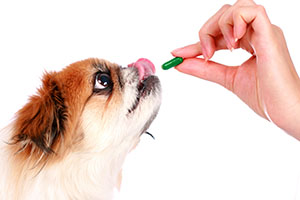
Although we more commonly think of fish as the only source for omega-3, grains, nuts, hempseed oil, pumpkin, chia seed, wheat germ, canola, green leafy veggies and flaxseed oil also contain this beneficial fat. In addition, taking non fish sources of omega-3 reduces the risk of mercury toxicity that can be found in fish. Pure fish oils, non-contaminated, are available and, to this day, fish oil remains the best source of omega-3. Pets should get at least 35 mg/kg of omega-3 per day and the effect will be noted by more energy, glossy coat, easier gait and better weight in about eight weeks. Omega-3 is available over the counter in supplements made especially for pets.
Omega-6 does not seem to have as good of a reputation as omega-3, yet it carries many of the same benefits. The down side is that you need to take twice as much as omega-3. Olive oil is a great source of omega-6 as well as nuts, and oils listed above. Then there is omega-9, which is produced by the body, but only when there is enough omega-6 and omega-3 present.
At one time considered the villain of oils for humans because of its high saturated fat content, coconut oil has now regained its stamp of approval in some quarters. This movie popcorn oil, once dreaded, is not only helpful for the immune system to help fight viruses, but also helps fight yeast and fungus. Coconut oil is also good for the endocrine system, helping to control blood sugar and boosting thyroid function, thus increasing energy. Even though it is a saturated fat, as a medium chain triglyceride, it increases good cholesterol in the blood. If you are considering giving coconut oil to your dog, start with a small amount.
So our advice for your pet is:
· 35 mg/kg of non contaminated fish oil omega-3 every day
· Some omega-6
· 1/4 teaspoon for every 10 pounds of body weight twice a day of coconut oil
· Healthy daily diet for age and breed
· Daily exercise
As always, you’ll want to check with your own veterinarian for their recommendation that is specific for your dog. Remember too, that the source of the product is key so be sure that you are purchasing a product that is manufactured by a reputable company.
To contact Dr. Anne Chauvet of Critical Vet Care, you can email [email protected], or call 941-929-1818.
Dr. Chauvet was born in France and raised in Gabon, Africa as well as Saskatoon, Canada. She received her Doctorate from the University of Saskatchewan, in Canada, in 1990. She completed an internship in Small Animal Medicine and Surgery at the University of Illinois, and a residency in Neurology/Neurosurgery at the prestigious University of California, in Davis. She received her diplomate status with the American College of Veterinary Internal Medicine in 1995 and is one of less than 115 neurology diplomates in the nation.
From 1994 to 1999, Dr. Chauvet was a clinical instructor in Neurology/neurosurgery at the University of Wisconsin in Madison, and was involved in gene therapy research for brain cancer. In 1998, she developed an international course in Basic Science in Veterinary and Comparative Neurology and Neurosurgery that is now considered a standard for veterinary neurologists. She is published in both veterinary and human medical journals, and continues to speak internationally. Dr. Chauvet is an active member of the SWFVMA, IWF, FVMA, AVMA, and ACVIM.
Dr. Chauvet has two boys, Vincent and Devan, that keep her energized and smiling. She also has a poodle cross, Oliver Sacks, a Dachshund named Tommy Who and a cat with too many toes, Edward Charles Goldfinger.
Dr Chauvet and Veterinary Neuro Services have won several local business and chamber of commerce awards. Dr. Chauvet continues to lecture at veterinary conferences and symposiums internationally and is considered a world expert in veterinary MRI.