The Fourth of July is one of the most stressful holidays of the year for pets, especially dogs and cats sensitive to loud noises. Fireworks, parties, and changes in routine can trigger fear, anxiety, and even dangerous escape behaviors. Many pets go missing during this holiday because they panic and run when fireworks begin. Understanding how these stressors affect your pet is the first step in keeping them safe. Preparing early helps ensure a calmer, safer celebration for everyone.
Noise phobia is extremely common, and fireworks are a major trigger due to their sudden, unpredictable explosions. Pets may tremble, hide, pant, pace, or cling to their owners when frightened. Some animals escalate to destructive behavior or attempt to escape through doors, windows, or fences. Even pets who seem “fine” can become overwhelmed when fireworks continue for hours. Recognizing early signs of stress allows you to intervene before anxiety becomes severe.
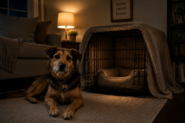
Creating a safe, quiet space inside your home is one of the most effective ways to help your pet cope. Choose an interior room away from windows and add familiar bedding, toys, and calming music or white noise. Closing curtains and leaving a lamp on will help.
Medication may be appropriate for pets with moderate to severe noise phobia, and it’s important to plan ahead. Many effective anxiety medications require a veterinary exam and cannot be prescribed lastminute on the holiday. If your pet has struggled in previous years, schedule a consultation early to discuss options. Giving medication before fireworks start leads to better results and less panic. Now is the time to talk with your veterinary team can help determine the safest and most effective plan for your pet’s needs.
Outdoor hazards also increase during Fourth of July celebrations. Barbecues, picnic foods, alcohol, and party leftovers can be dangerous if pets get into them. Common risks include pancreatitis from fatty foods, toxicity from alcohol or xylitol containing items, and foreign body ingestion from skewers or corn cobs. Keep pets away from grills, trash bags, and unattended plates to prevent accidental ingestion. Remind guests not to feed your pet, even if they insist “just a little” is harmless.
Finally, make sure your pet’s identification is up-to-date before the holiday. Microchips should be registered with your current phone number, and collars should have readable ID tags. Keep pets indoors during peak fireworks hours and take dogs out for bathroom breaks before the noise begins. If your pet does escape, proper identification dramatically increases the chances of a safe return. With preparation and awareness, you can help your pet stay calm, comfortable, and protected throughout the Fourth of July festivities.
Thank you to Dr. Shannon Reed of Partners Animal Hospital., a Fear-Free Sarasota Animal Hospital.